Alpine Roads Journal was founded in 2010 by a team of road-trip enthusiasts who believed that the best travel guidance comes from actually driving the routes — in multiple seasons, in different weather, and with a critical eye for what matters to real travellers.
Every guide we publish is verified against current official sources for tolls, regulations, and access conditions. We update our articles annually and never accept payment for editorial coverage.
🗺️
On-Site Research
Every route personally driven
✅
Fact-Checked
Verified against official sources
🔄
Regularly Updated
Annual reviews & corrections
🚫
Editorially Independent
No paid placement in editorial
Featured Road Guides
In-Depth Route Guides
Researcher-verified guides to the most spectacular drives in Austria and Germany.
Austria · FeaturedUpdated June 2026
The Grossglockner High Alpine Road: Complete Driving Guide
Length
48 km
Drive Time
2–4 hrs
Season
May–Oct
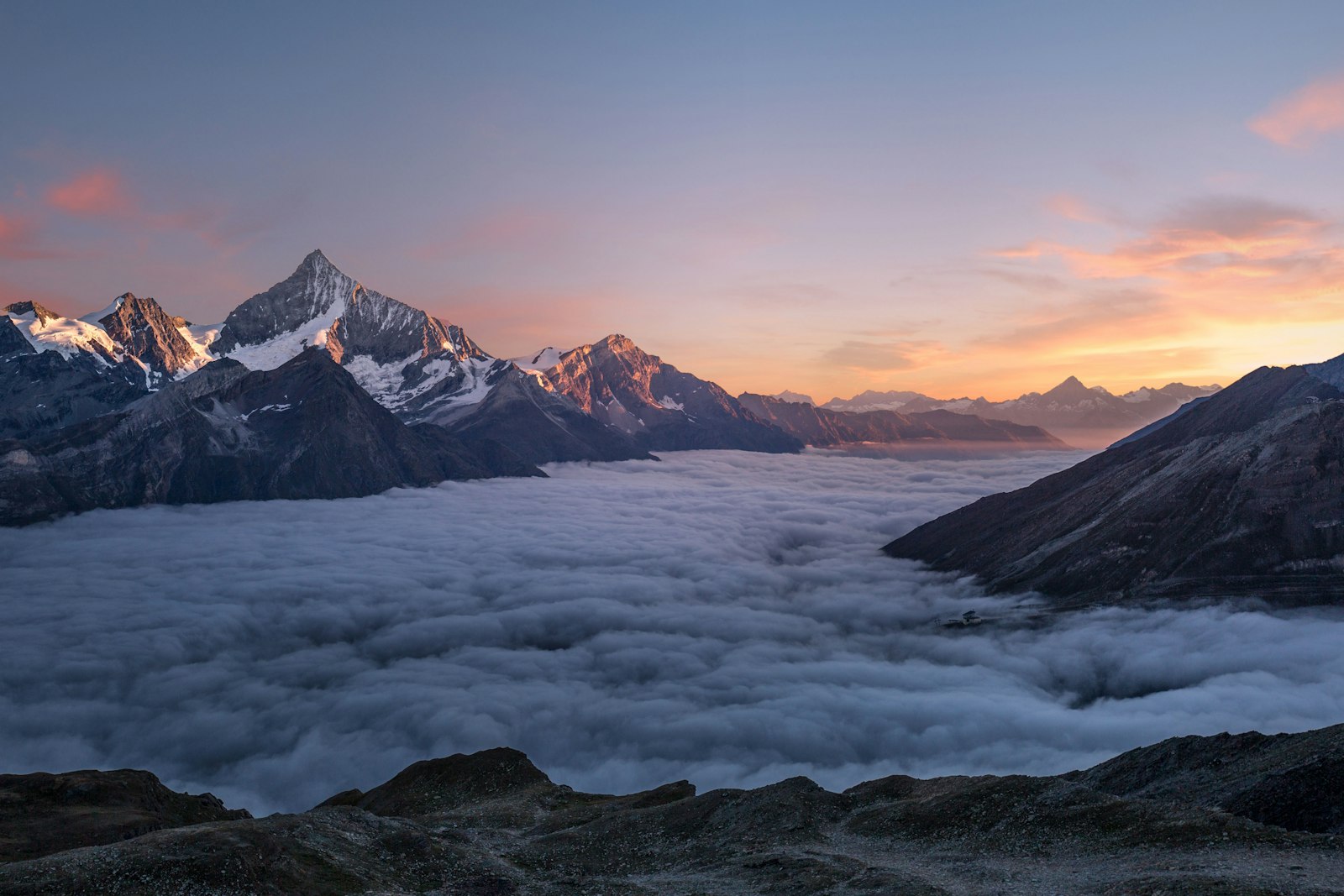
Austria's highest paved road winds through the High Tauern National Park, reaching 2,504 metres at the Edelweiss-Spitze. Expect world-class hairpin bends, direct views of the Pasterze Glacier, and the unforgettable descent into Heiligenblut. Snow chains are advisable before mid-June even in dry summers.
Local TipArrive before 09:00 or after 16:00 to avoid peak coach traffic at Franz-Josefs-Höhe. Morning light on the glacier is exceptional.
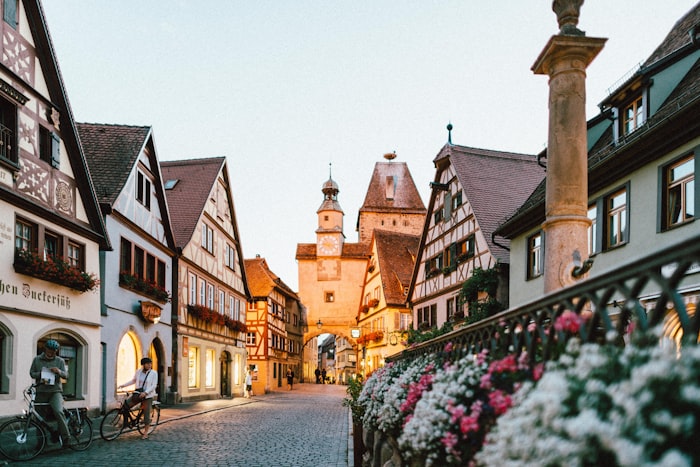
This 460 km classic threads through thirty medieval towns including Rothenburg ob der Tauber, Dinkelsbühl, and Nördlingen — finishing at Neuschwanstein Castle above Füssen. Flat to gently rolling terrain makes it accessible for all driving levels. Spring brings apple-blossom lanes; autumn turns the Franconian vineyards gold.
The 160 km Schwarzwald-Panoramastraße crosses open hilltop meadows, deep forested ravines, and the spa town of Baden-Baden. Side roads lead to Triberg Waterfalls, the highest in Germany. The best driving light falls in late afternoon when the forest canopy turns amber — set off from the south by midday to catch it.
From imperial cities to lakeside villages, these destinations reward unhurried exploration.
🇦🇹 Austria
Hallstatt
Salzkammergut, Upper Austria
One of the world's most photographed villages, Hallstatt clings to the steep shore of the Hallstätter See. Its 7,000-year salt-mining history is traced in the fascinating Heritage Museum, and the Skywalk above the village gives a vertiginous view over the entire lake basin.
📅 1–2 days⭐ Skywalk, Salt Mine, Museum
🇦🇹 Austria
Salzburg
Salzburg, Austria
Mozart's birthplace and the setting of The Sound of Music, Salzburg's Baroque old town is a UNESCO World Heritage Site. The Hohensalzburg Fortress dominates the skyline, while the Getreidegasse below is one of the most atmospheric shopping streets in Central Europe.
📅 2–3 days⭐ Hohensalzburg, Mirabell, Old Town
🇦🇹 Austria
Innsbruck
Tyrol, Austria
The Tyrolean capital pairs a medieval Altstadt — anchored by the golden-roofed Goldenes Dachl — with some of the most dramatic mountain scenery accessible by cable car in all of Austria. Ride the Nordkette Seilbahn to 2,256 metres for views that stretch into Bavaria.
📅 1–2 days⭐ Golden Roof, Hofburg, Nordkette
🇩🇪 Germany
Munich
Bavaria, Germany
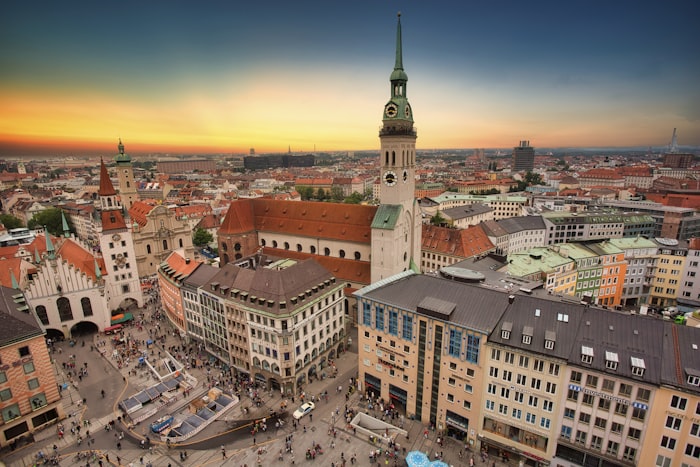
Bavaria's capital is the ideal basecamp for Alpine road trips — the Austrian border is 90 minutes south by car. Between drives, explore the Deutsches Museum, stroll the English Garden, and join locals at a beer garden in the Hirschgarten or the Chinesischer Turm.
📅 2–3 days⭐ Deutsches Museum, Marienplatz, English Garden
Travel Tips
Practical Advice for Alpine Road Trips
From vehicle preparation to mountain driving technique — what experienced Alpine travellers know before they set off.
⛰️
Mountain Road Technique
Use engine braking (low gear) on long alpine descents to protect brake pads. Give way to uphill traffic on single-track sections. Sound your horn before blind hairpin bends where visibility is zero.
🏷️
Austrian Vignette
A toll sticker (Vignette) is mandatory for all vehicles on Austrian motorways. Buy a 10-day (approx. €9.90) or annual version at border crossings or ASFINAG online. Fines for driving without one start at €120.
🌩️
Alpine Weather
Mountain weather can change within 20 minutes. Check ZAMG (Austria) before mountain drives. Aim to complete high-altitude driving before 1 pm in summer — afternoon thunderstorms are common above 1,800 m.
⛽
Fuel Planning
No petrol stations exist on the Grossglockner or most high alpine passes. Fill to at least three-quarters of a tank before ascending. Austrian petrol is generally cheaper than German — fill up before crossing north.
🚨
Required Equipment
Austria requires a warning triangle, high-visibility vest for every occupant, and first-aid kit. Germany additionally requires winter tyres on winter roads (situational). Snow chains are advisable on high passes in May and September.
📡
Mobile Signal
Signal above 1,500 m is often absent. Download offline maps (Maps.me or Google Maps offline) before departure. Emergency services via 112 are usually reachable even with weak signal — state your GPS coordinates if possible.
FAQ
Common Questions About Driving in Austria & Germany
Answers drawn from official sources, automobile club guidance, and years of editorial field research.
EU licence holders drive freely. Visitors from the USA, Canada, Australia, and most non-EU countries may drive on their national licence for short tourist stays, but carrying an International Driving Permit (IDP) alongside your home licence is strongly recommended. The IDP costs around $20 from your national automobile association and is valid only when accompanied by your original licence.
The Autobahnvignette is a mandatory motorway toll sticker. It is available in 10-day (approx. €9.90), 2-month (€29.00), and annual (€96.40) durations. Purchase at border crossings, Austrian petrol stations, ÖAMTC offices, or online via the ASFINAG digital vignette portal — the digital version is linked to your number plate and requires no physical sticker.
Around 30% of the German autobahn network has no permanent speed limit. The advisory speed (Richtgeschwindigkeit) is 130 km/h — driving above this does not make you automatically at fault, but it increases liability in an accident. Temporary limits, shown on overhead gantries, are common near construction zones and urban approaches. Urban speed limits (50 km/h) and rural B-road limits (100 km/h) are strictly enforced.
Austria has a situational winter tyre law: whenever there is snow, ice, or slush on the road surface, M+S winter tyres are compulsory regardless of the calendar date. In practice this covers November through April for lowland roads and October through May for mountain passes. Snow chains may also be required on mountain roads when signposted. Fines start at €35 for the driver.
There are no petrol stations on the Grossglockner Road itself. The closest filling stations are in Bruck an der Glocknerstraße (northern approach) and in or near Heiligenblut (southern approach). Always fill to at least three-quarters before ascending. Austrian fuel is generally cheaper than German fuel — if crossing from Bavaria, plan to top up on the Austrian side.
Both countries are Schengen members, so there are no routine passport checks at their shared border for EU citizens. Non-EU visitors (US, UK, Canada, Australia) should carry a valid passport at all times as spot checks occasionally occur. Germany has periodically reinstated temporary border controls at the Austrian crossing for security reasons — check ADAC or the German Federal Police website for current status before travel.
Austrian cities use blue-zone short-stay parking (Kurzparkzone) requiring a free cardboard parking disc (Parkscheibe) set to your arrival time. Most city-centre parking in Germany uses pay-and-display machines. Many German historic cores have Umweltzonen (low-emission zones) requiring a valid Umweltplakette sticker — easily purchased online before arrival. Park-and-ride facilities on the city edge are the most practical option for most visitors.
Place your warning triangle at least 100 m behind the vehicle and put on your high-visibility vest before exiting. Call 112 (pan-European emergency) or ÖAMTC on 120 (Austria) or ADAC on 0800 5 10 11 12 (Germany) for roadside assistance. Emergency phones are located at regular intervals on the Grossglockner. Stay behind the barrier — never walk along the carriageway on mountain roads.
Editorial Standards
Our Commitment to Accuracy
Alpine Roads Journal is independently funded and editorially independent. We research every route ourselves before writing about it.
🔍
Fact-Checked
All regulatory content — tolls, speed limits, legal requirements — is verified against ÖAMTC, ADAC, and official government sources before publication.
📢
Advertising Disclosed
Ads are clearly separated from editorial. No advertiser can pay for a recommendation or influence our route ratings.
🔄
Annually Updated
Every guide is reviewed each January. The "Updated" date on each article reflects the most recent editorial review, not original publication.
⚠️
Travel Disclaimer
Road conditions, closures, and regulations can change. Always verify with official sources before departure, especially on mountain roads in early or late season.
♿
Accessibility
We are committed to WCAG 2.1 AA accessibility. Contact editor@alpineroadsjournal.com if you encounter any barriers on our site.
🤝
Editorial Independence
Our team operates independently from advertising. We pay for every trip we research and accept no complimentary stays or sponsored tours.
Stay Informed
Travel Guides to Your Inbox
Seasonal route updates, new destination guides, and practical road-trip advice — sent when it matters, not every day.
✉️
Thank you for subscribing to Alpine Roads Journal. Please check your inbox for future travel updates and destination guides.
Get in Touch
Contact Alpine Roads Journal
For editorial enquiries, corrections, or accessibility requests.
Mon – Fri9:00 am – 5:00 pmSaturday10:00 am – 2:00 pmSundayClosed
Legal & Policies
Policies & Legal Documentation
Privacy Policy
📅 Last updated: June 2026
Alpine Roads Journal operates www.alpineroadsjournal.com. This Privacy Policy explains how we collect, use, and protect information about site visitors. We are committed to transparency and to handling your personal data with care.
Information We Collect
We collect information you provide directly — name and email address via our newsletter form or contact form — and technical information gathered automatically, including your IP address, browser type, pages visited, and time on site. This technical data is collected via cookies and analytics tools.
How We Use Your Information
To deliver newsletter issues and travel updates you subscribed to
To respond to contact form enquiries
To analyse and improve our website content
To serve relevant advertising via third-party networks
To comply with legal obligations
Third-Party Advertising
We may display advertising from third-party networks including Google AdSense. These use cookies based on prior visits to this and other websites. You may opt out of personalised advertising via Google Ad Settings. Third-party advertisers maintain their own privacy policies independent of ours.
Your Rights
You may request access to, correction of, or deletion of personal data we hold. Email editor@alpineroadsjournal.com — we respond within 30 days. California residents have additional rights under the CCPA, including the right to know what data is collected and to opt out of data sales. We do not sell personal information.
Terms of Service
📅 Last updated: June 2026
By accessing www.alpineroadsjournal.com you agree to these Terms. If you do not agree, please discontinue use of the site.
Intellectual Property
All content on this site — route guides, destination descriptions, photography, and written analyses — is the property of Alpine Roads Journal or its contributing authors. You may share links freely. Reproducing text, images, or graphics in whole or in part without written permission is prohibited.
Limitation of Liability
We make every reasonable effort to ensure accuracy. However, road conditions, regulations, access, and prices change without notice. Alpine Roads Journal shall not be liable for any loss, injury, or inconvenience arising from reliance on information published here. Verify all critical information with official sources before travelling.
Governing Law
These Terms are governed by the laws of Germany. Disputes are subject to the exclusive jurisdiction of the courts of Munich, Germany.
Cookie Policy
📅 Last updated: June 2026
Cookies are small text files stored on your device when you visit a website. They allow the site to remember preferences, analyse traffic, and enable certain features.
Cookies We Use
Strictly Necessary: Language preference and cookie consent choice. Cannot be disabled.
Analytics: Anonymous usage data to help us improve content quality.
Marketing: Served by third-party advertising networks. May track browsing across sites.
Managing Preferences
Use the cookie banner at the bottom of this page to adjust your preferences at any time. Clearing browser cookies will reset your consent choice.
Travel Disclaimer
📅 Last updated: June 2026
Information on Alpine Roads Journal is provided for general travel guidance only. Road conditions, weather, access restrictions, toll prices, and legal requirements can change at any time and without prior notice.
Before any journey described on this site, verify current conditions with the ÖAMTC for Austria (oeamtc.at), the ADAC for Germany (adac.de), and local tourism offices for seasonal access information.
Mountain driving carries inherent risks. Alpine Roads Journal accepts no liability for accidents, delays, fines, or vehicle damage resulting from reliance on content published here. Comprehensive travel insurance covering driving in Europe is strongly recommended for all non-EU visitors.
Impressum
📅 Stand: Juni 2026
Angaben gemäß § 5 TMG
Alpine Roads Journal Maximilianstraße 35 80539 München Deutschland
Verantwortlich für den Inhalt nach § 55 Abs. 2 RStV
Michael Hartwell, Maximilianstraße 35, 80539 München
Haftungsausschluss
Die Inhalte dieser Website wurden mit größter Sorgfalt erstellt. Für die Richtigkeit, Vollständigkeit und Aktualität der Inhalte können wir keine Gewähr übernehmen. Als Diensteanbieter sind wir gemäß § 7 Abs. 1 TMG für eigene Inhalte auf diesen Seiten nach den allgemeinen Gesetzen verantwortlich.
Urheberrecht
Die durch die Seitenbetreiber erstellten Inhalte und Werke auf diesen Seiten unterliegen dem deutschen Urheberrecht. Beiträge Dritter sind als solche gekennzeichnet. Die Vervielfältigung, Bearbeitung, Verbreitung und jede Art der Verwertung außerhalb der Grenzen des Urheberrechts bedürfen der schriftlichen Zustimmung des jeweiligen Autors.